Breaking the bottlenecks: How India’s logistics sector is becoming smarter, faster and fairer
Sep 3, 2025
By Maj. Gen. Shamsher Singh Ahlawat, Advisor, NLDSL
India’s logistics system, once criticised for being slow and fragmented, is now showing signs of a genuine turnaround. Policy reforms, new infrastructure and rapid adoption of technology are changing the way goods move across the country. Officials argue the impact will be felt not just in lower costs, but in faster operations and more equitable opportunities for small businesses.
Smarter: Digital innovation taking hold
The biggest shift has been digital. Artificial Intelligence (AI), Machine Learning (ML), IoT and blockchain are no longer buzzwords, they are now being used on the ground. Fleet managers rely on predictive analytics, warehouses deploy cloud-based control systems, and delivery companies track shipments in real time. Together, these changes cut down idle time and reduce waste.
A major push has come through the Unified Logistics Interface Platform (ULIP), built under PM Gati Shakti. It gives freight operators, warehouse owners and transporters a common dashboard to exchange real-time cargo data. According to officials, ULIP makes movement faster and more transparent. Blockchain is also gaining traction, especially for documentation and Customs clearance, helping exporters avoid long delays.
“Earlier, paperwork could hold up goods for days. Digital documentation has removed a big chunk of that friction,” said an industry consultant.
Faster: Building corridors and hubs
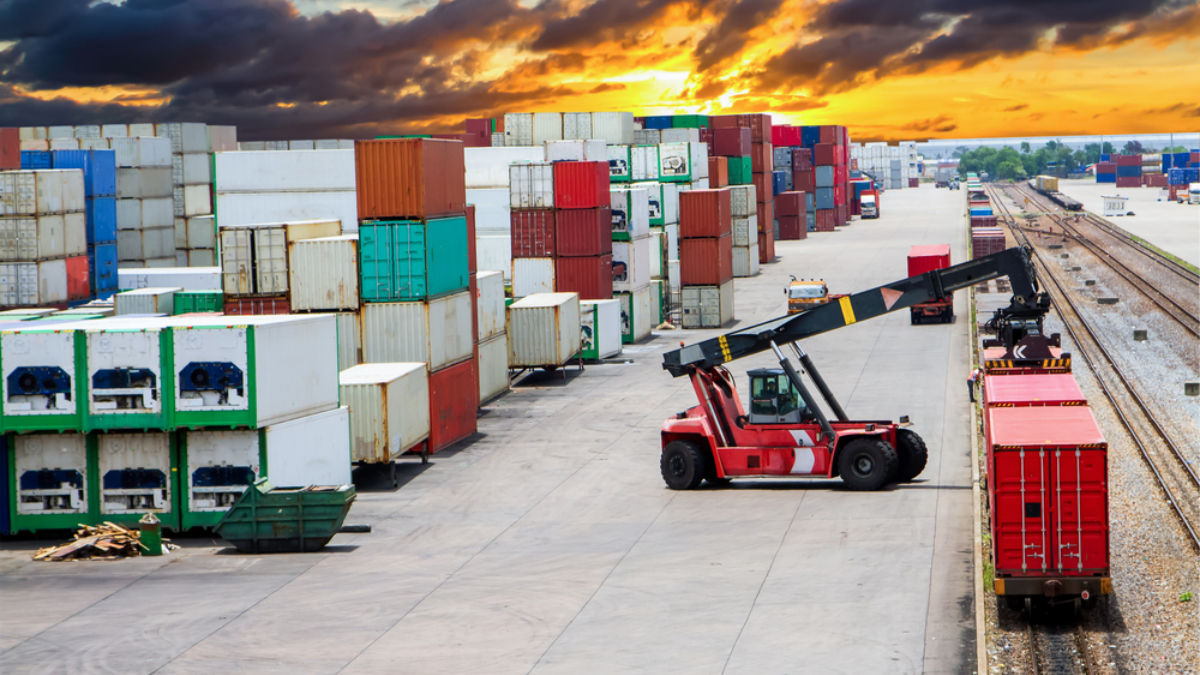
On the infrastructure side, progress has been visible. Dedicated Freight Corridors (DFCs), the Eastern, Western, and future North-South and East-West lines, are designed to shift heavy cargo from road to rail. Rail is cheaper, cleaner and, in most cases, quicker.
Multi-Modal Logistics Parks (MMLPs) add another piece to the puzzle. These are large centres where highways, rail lines, inland waterways, and sometimes even airports converge. The idea is to create one-stop hubs for warehousing, packaging and cargo transfer. Officials believe this will decongest highways while cutting delivery times.
Highway upgrades, new ports and inland waterway projects, all linked under PM Gati Shakti, are feeding into the same objective: smoother integration of modes. Hyperlocal warehouses and cross-docking hubs, mostly driven by e-commerce growth, are now appearing closer to consumers, helping shrink last-mile delays.
Experts say that if these reforms sustain, logistics costs, currently around 13-14% of GDP, could fall below 8% by 2030, bringing India closer to global standards.
Fairer: Inclusion of MSMEs and workers
Unlike earlier reforms that mostly favoured big players, the current phase places emphasis on inclusivity. The government is nudging Micro, Small and Medium Enterprises (MSMEs) into the formal logistics network through easier loans, digital onboarding and open marketplaces such as ONDC. For small truck operators and warehouse owners, this is an entry point into larger supply chains.
Skill programs like Skill India and PMKVY are preparing workers to operate digital dashboards, handle safety systems and manage advanced warehouses. Road safety initiatives, including driver training and use of monitoring tech, are also becoming part of this push.
“Truck drivers are being trained not only on vehicles but also on handling digital freight tools. It’s a different ecosystem than it was even five years ago,” a logistics trainer noted.
Green logistics: Sustainability as core strategy
The environmental dimension is no longer on the sidelines. Companies are testing electric vehicles for last-mile delivery, routing software is being used to cut fuel consumption, and renewable power is entering warehousing operations. Policy nudges also favour low-emission transport, with rail and waterways promoted as alternatives to road freight.
Looking ahead
Longstanding bottlenecks are being chipped away, sometimes slowly, sometimes at scale. The combined effect of new corridors, digital tools and inclusive policies is already visible in shorter delivery cycles, lower losses, and more opportunities for smaller operators.
Logistics is also tied directly to India’s global ambitions. With the economy targeting $7 trillion by 2030, reducing logistics costs is seen as essential for trade competitiveness.
Please visit our youtube channel https://www.youtube.com/@ikargos2719 for fortnightly logistics news analysis and more!