
Unmesh Wagh highlights future role of Vadhvan Port at Maharashtra Maritime Summit
Jul 18, 2025
Mr Unmesh Sharad Wagh, IRS, Chairperson, JNPA and CMD, VPPL, highlighted the future role and importance of Vadhvan Port in the development of the economy of Maharashtra and the nation at the Maharashtra Maritime Summit 2025 held in Mumbai on Wednesday. While speaking as part of a panel discussion, “Maharashtra’s Ports - Gearing Up for Future Growth”, he pointed out that Vadhvan is designed to have a total capacity of 298 million metric tonnes per annum (MMTPA). A significant portion of this capacity will be dedicated to container handling, at 23.2 million TEUs. The port is strategically located to facilitate international trade, including the India Middle East Europe Economic Corridor (IMEEC) and the International North-South Transportation Corridor (INSTC). Vadhvan Port will be capable of accommodating mainline mega vessels, connecting India with the Far East, Europe, the Middle East, Africa, and America, he highlighted.
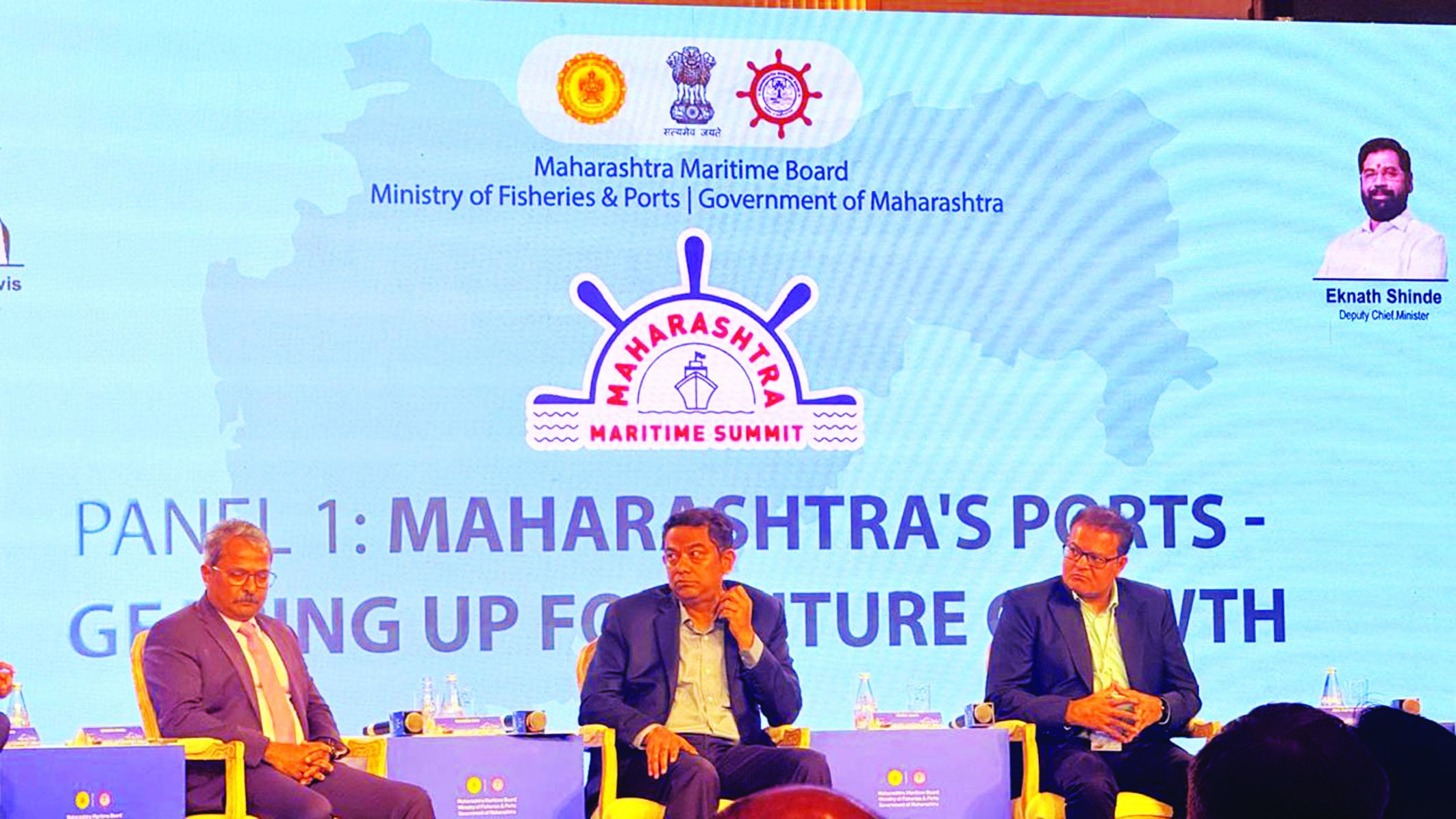
The port will be deep-draft, meaning it can accommodate large vessels with deep hulls. Vadhvan is being developed as a greenfield project and will feature advanced technology and infrastructure, including efficient cargo handling facilities and modern port management systems. It is planned to have robust rail and road connectivity to improve hinterland access and reduce logistics costs. The port will be linked to the Mumbai-Delhi Western Railway line and NH-48 via dedicated rail and road infrastructure. The rail link will connect to the New Palghar station on the Western Dedicated Freight Corridor. The road link will be a 32 km stretch connecting to NH-48.
The improved connectivity will reduce logistics costs and enhance hinterland access for the port. Vadhvan Port is envisioned to become a major gateway port, handling large container ships. It is expected to be among the top 10 ports globally upon completion.
The panel discussion also had other distinguished speakers - Mr Rinkesh Roy, CEO & Joint Managing Director, JSW Infra; Mr Hiren Shah, CEO, Harbour Business at Adani Ports; Mr Jibu Kurien Itty, CEO, Ports & Terminals - Nhava Sheva, DP World; Mr Ambar Ayade, CEO & MD, Rural Enhancers Group; and Mr Mihir Shah, Partner, EY as moderator. They all spoke about the future growth of India being dependent upon port-led development and how ports are gearing up to face the challenge.
Focus on shipbuilding
The second panel discussion had Mr Rajnish Khandelwal, CEO, J M Baxi Marine Services, who spoke at length about making Maharashtra a one-stop shop for shipbuilding, repair and recycling. He pointed out that developing a shipbuilding industry requires robust infrastructure, including dry docks, slipways and barge basins, along with proximity to steel and other raw material sources, skilled labour, and adequate power supply. Ports with waterfront access and suitable land for shipyards are also essential. Furthermore, access to financial assistance and a supportive regulatory environment are crucial for attracting investment and promoting growth.
The panel also had other distinguished speakers like Mr Rutger Dolk, Damen Shipyards; Mr Steve Davis, Technical Director, Haskoning; Mr Ameya Pratap Singh, Managing Director, Yogayatan Group; Cmde Anil Jai Singh, Senior Vice President, Thyssenkrupp Marine Systems, India; and Mr Jagannarayan Padmanabhan, Director & Global Head, CRISIL, as moderator. They all stressed the need to provide robust infrastructure to entrepreneurs to develop the shipbuilding industry in Maharashtra.
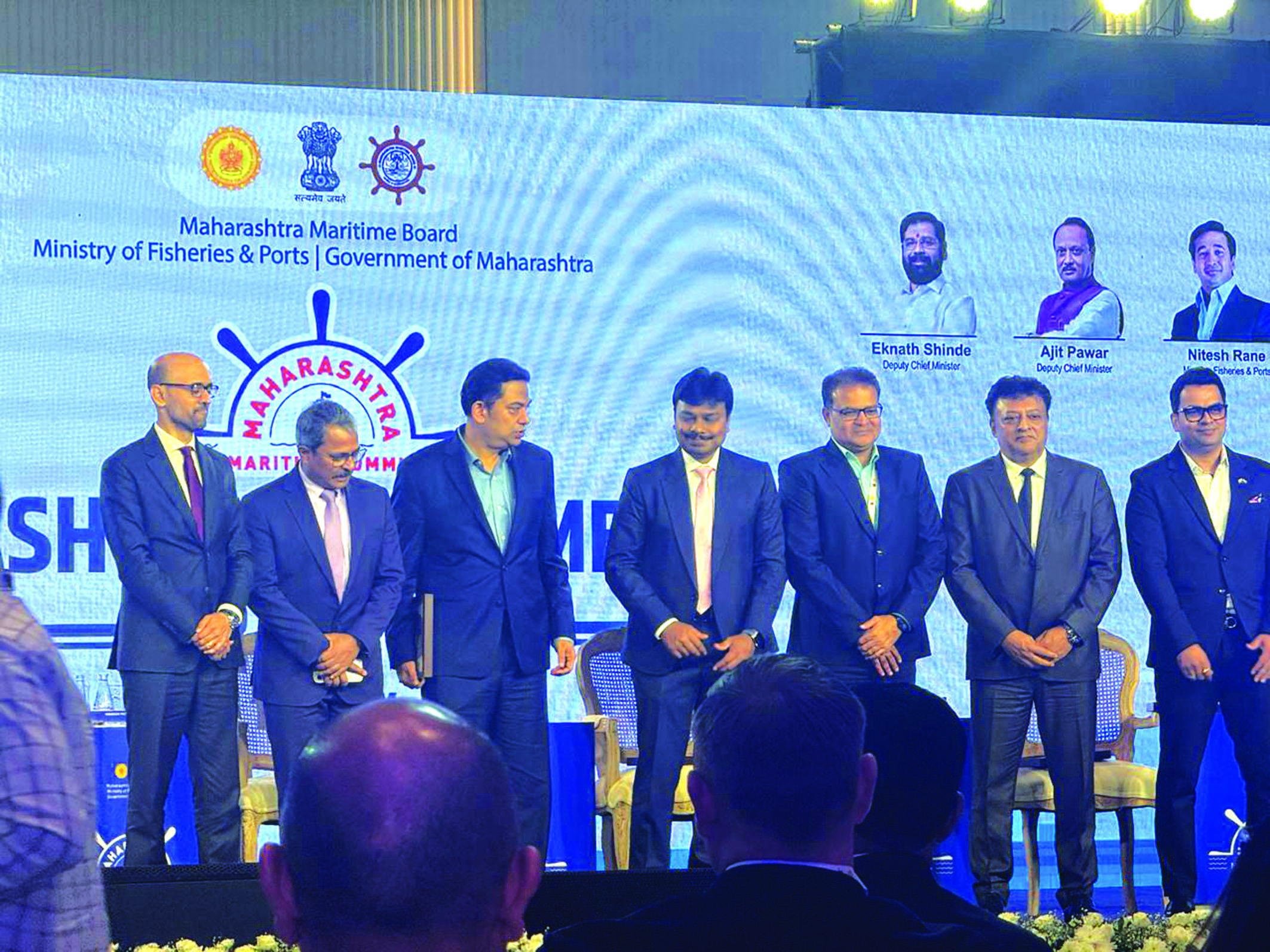
Mr Pradeep P., IAS, Chief Executive Officer, Maharashtra Maritime Board, spoke about the Maharashtra government approving a shipbuilding policy to develop the state’s maritime infrastructure and promote ship repair and recycling activities. Maharashtra is focusing on developing its shipbuilding, ship repair and ship recycling infrastructure with a dedicated policy aimed at making the state a hub for these activities. The policy aims to attract private investment, generate jobs and boost the maritime sector’s contribution to the Indian economy.
Key aspects of the policy comprise developing dedicated shipyards, clusters and facilities, including infrastructure like roads, power and water supply.
Specific goals of the policy include attracting significant private investment, potentially reaching Rs 6,600 crore by 2030 and Rs 18,000 crore by 2047, creating a substantial number of jobs, and becoming a major player in the Indian shipbuilding and repair sector, aiming to capture a significant share of the market. The policy also recognises the importance of supportive infrastructure, such as access to land, transparent land allocation, and financial incentives like capital subsidies. The state aims to leverage its 720 km coastline and strategic location to achieve these goals, it was emphasised.
Please visit our youtube channel https://www.youtube.com/@ikargos2719 for fortnightly logistics news analysis and more!