Revolutionizing Logistics in India
Jun 2, 2023
The logistics industry in India is benefitting from technological advancements, policy initiatives, and infrastructure capex in 2023. Logistics is integral to economic growth and any improvements in the country’s logistics ecosystem has business positive outcomes – ranging from operational efficiency to expanding supplier networks to boosting last-mile-reach to meet market demand. Further, applied tech innovation and data-driven insights can allow companies to optimize their supply chains, allocate resources more effectively, and deliver exceptional customer experiences.
India’s logistics industry has achieved remarkable progress, highlighted by the country’s rise of six spots in the World Bank’s Logistics Performance Index (LPI). This improvement is credited to various factors, such as technology innovation, data-driven decision-making, and policy initiatives aimed at facilitating world-class infrastructure.
Earlier in the year, the government increased the Union Budget allocation for capital investment by 33 percent, amounting to INR 10 trillion, for 2023-24. This development has been warmly welcomed by the logistics industry as it is expected to bolster India’s position in the global supply chain by prioritizing infrastructure development.
Improving logistics performance can be a crucial factor in a country’s economic growth, enabling businesses to enhance their trade competitiveness, reduce expenses, and increase supply chain efficiency. This not only boosts productivity and customer satisfaction but also attracts foreign investment by creating a favorable environment for companies to operate in.
By minimizing lead times, cutting transportation costs, and improving inventory management, logistics improvements help businesses optimize their operations and increase profits.
India climbs six spots on World Bank’s Logistics Performance Index
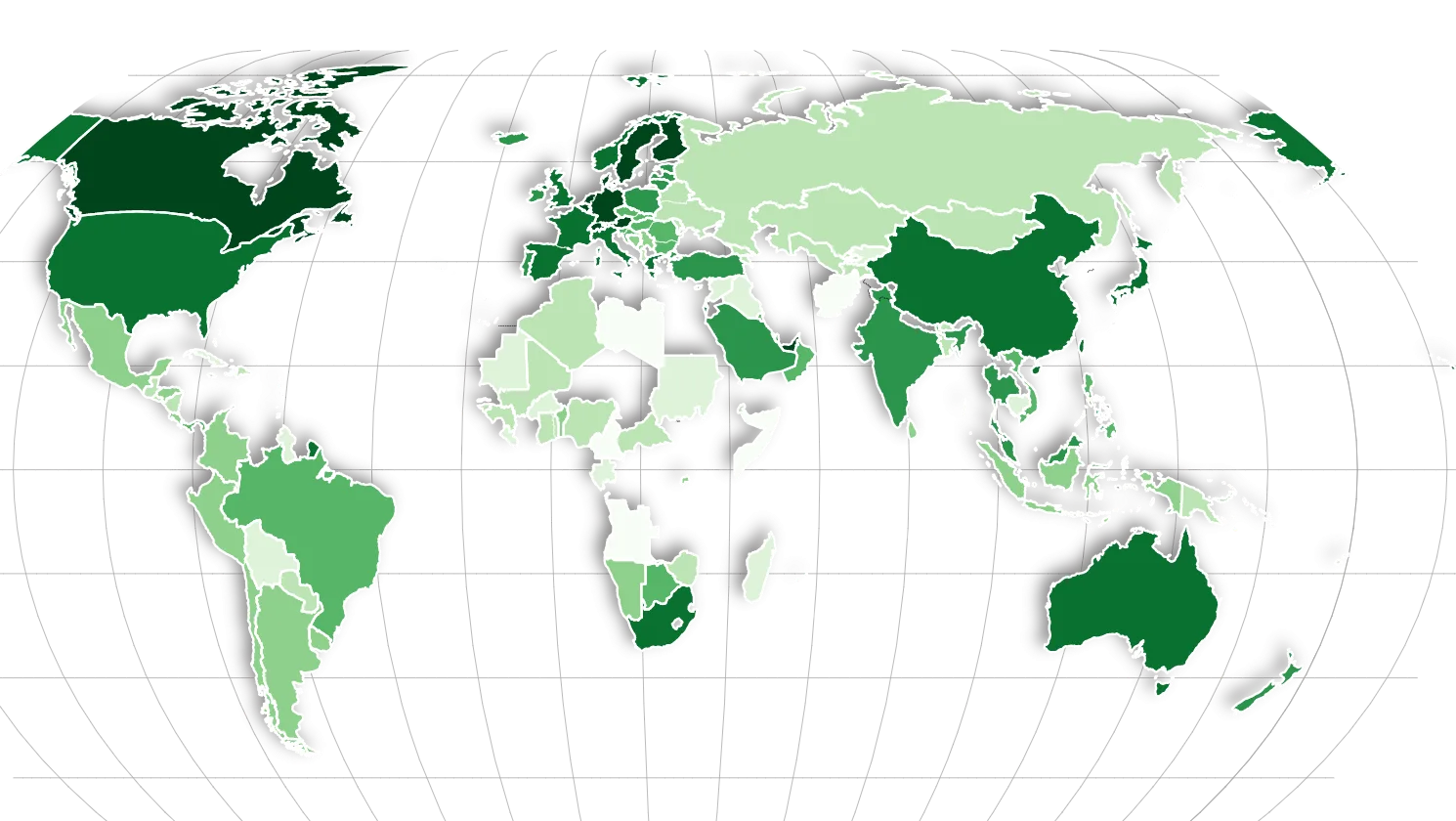
India has moved up six places to reach the 38th rank out of 139 countries on the Logistics Performance Index. The LPI index measures countries on six aspects of logistics performance, including infrastructure quality, customs efficiency, logistics services quality, international shipment arrangements, on-time delivery frequency, and shipment tracking.
Several factors have contributed to India’s improved LPI ranking, such as the implementation of the Goods and Services Tax (GST), investments in infrastructure, and the adoption of technology. The use of digital technologies, such as GPS and RFID, has enabled better tracking of goods, reducing theft and pilferage.
The improvement on the LPI index can be a game-changer for India’s economic growth trajectory by enhancing trade competitiveness, reducing trade expenses, and boosting supply chain efficiency.
The National Logistics Policy (NLP) and the PM Gati Shakti initiative are important overarching policy steps taken in this direction by the central government to deliver results by 2024-25.
The LPI report also highlights India’s significant climb of 17 places in its rankings since 2014 and how the country’s efforts in digitalization and modernization have surpassed the performance of advanced nations.
The report suggests that emerging economies can significantly reduce dwell time at ports and terminals by using advanced tracking and tracing solutions such as cargo tracking. End-to-end supply chain digitalization in developing countries can reduce port delays by up to 70 percent compared to developed countries, making it a crucial aspect of logistics optimization.
The report also notes the growing demand for eco-friendly logistics, with 75 percent of shippers seeking greener options when exporting to high-income countries. Christina Wiederer, senior economist at the World Bank Group’s macroeconomics, trade, and investment global practice, suggests that targeting delays at seaports, airports, and multimodal facilities can improve reliability and have a notable impact on reducing delays.