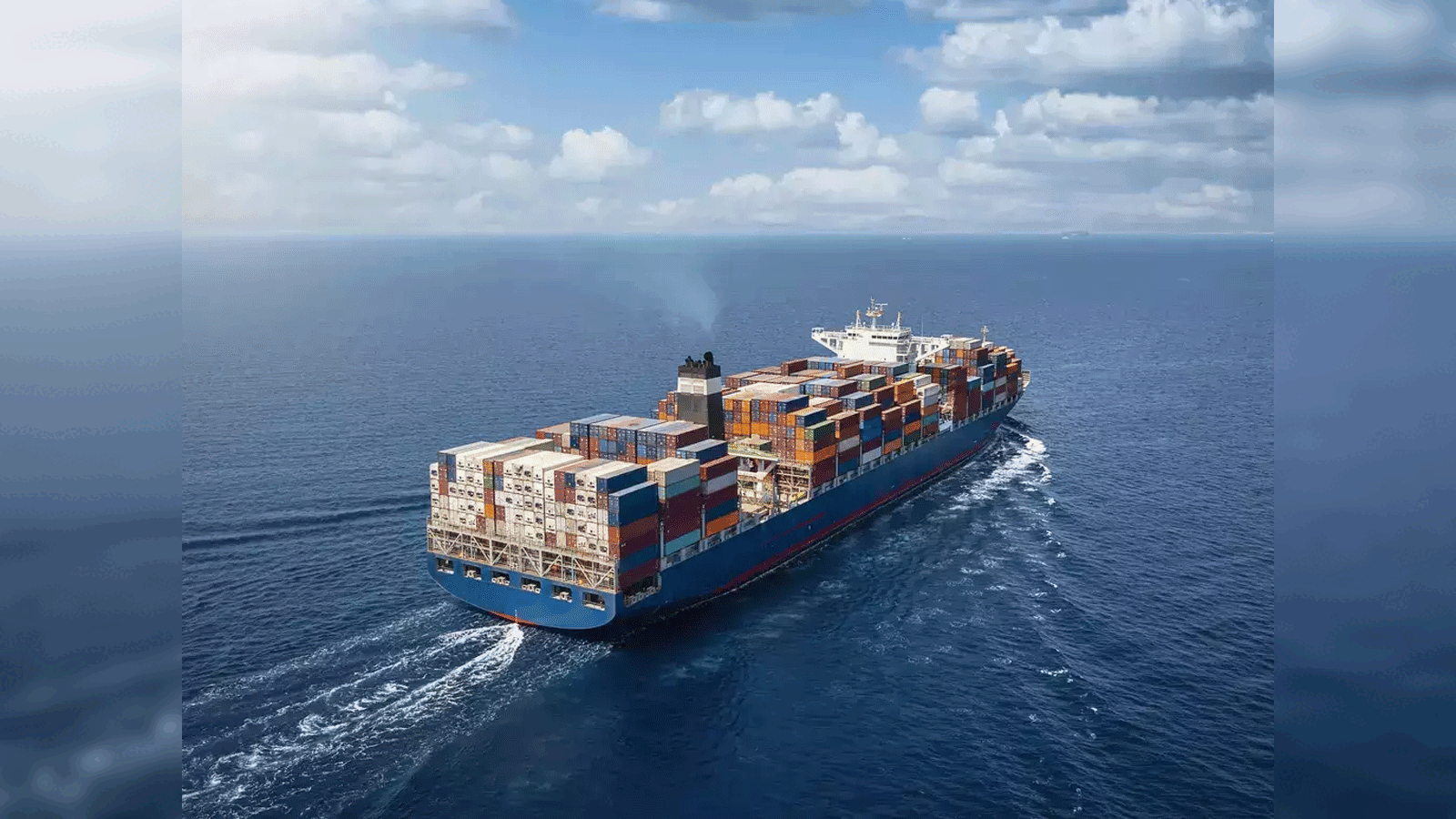
New policy could see India emerge as one of the most important long-term growth drivers for the global dry bulk shipping market: Report
Oct 28, 2026
The government of India’s newly released draft National Steel Policy ‘Vision 2047’ targets 531 million tonnes of crude steel production, 772 million tonnes of iron ore demand and 236 million tonnes of coking coal demand by 2047. If these numbers are achieved, India could emerge as the largest source of incremental seaborne demand for steelmaking raw materials, reshaping iron ore, coking coal and dry bulk shipping markets over the next two decades.
Earlier this month, the government released the draft National Steel Policy: Vision 2047 for public consultation, with ambitious targets. The vision projects steelmaking capacity to surge from the current 220 million tonnes to 604 million tonnes by 2047, while crude steel production is expected to reach 531 million tonnes (up from 164 million tonnes in 2025). The policy also projects annual iron ore demand of 772 million tonnes, coking coal demand of 236 million tonnes and scrap consumption of 123 million tonnes.
For dry bulk shipping, the key question is not whether India can produce more steel. The country has established itself as the world’s second-largest steel producer. The more important question is whether India can secure the enormous quantities of raw materials required to support this expansion, and where those raw materials will come from.
In its previous analysis, Drewry had highlighted that India’s iron ore market was undergoing a structural transition. As domestic steelmakers are absorbing a larger share of locally produced ore, exports are declining and imports are rising. Iron ore exports fell from 52 million tonnes in 2020 to 27 million tonnes in 2025, while imports increased to more than 12 million tonnes. The shift was beginning to support longer-haul imports from Brazil and increasing the role of Capesize vessels in India’s import trade.
The new policy suggests this trend could accelerate considerably. India produced a record 289 million tonnes of iron ore in FY2024-25 compared to 204 million tonnes in FY2020-21. While the country has one of the largest iron ore reserves in the world, increasing annual production to a level capable of supporting 772 million tonnes of demand would require unprecedented expansion in mining, beneficiation, rail infrastructure and slurry pipelines.
India’s Steel Vision 2047, therefore, is ultimately a shipping story. The policy projects greater use of scrap, increased electrification and lower-emission steelmaking technologies. However, unlike Europe and North America, India’s electric steel sector remains closely linked to direct reduced iron production, meaning that demand for iron ore and coal is likely to remain substantial even as EAF capacity expands.
If India achieves the ambitions outlined in the draft policy, iron ore exports could largely disappear. At the same time, growing scrap requirements could create an additional import market.
Even though China will remain the world’s largest iron ore importer for the foreseeable future, its steel market is increasingly mature. Meanwhile, India is still in the early stages of a multi-decade industrial expansion. If India achieves its 2047 targets, it could become the largest source of incremental seaborne demand for steelmaking raw materials and one of the most important long-term growth drivers for the global dry bulk shipping market, says the Drewry analysis.
Please visit our youtube channel https://www.youtube.com/@ikargosindia for fortnightly logistics news analysis and more!