Large increase in new tariffs but also measures to ease global trade: Report
Dec 4, 2025
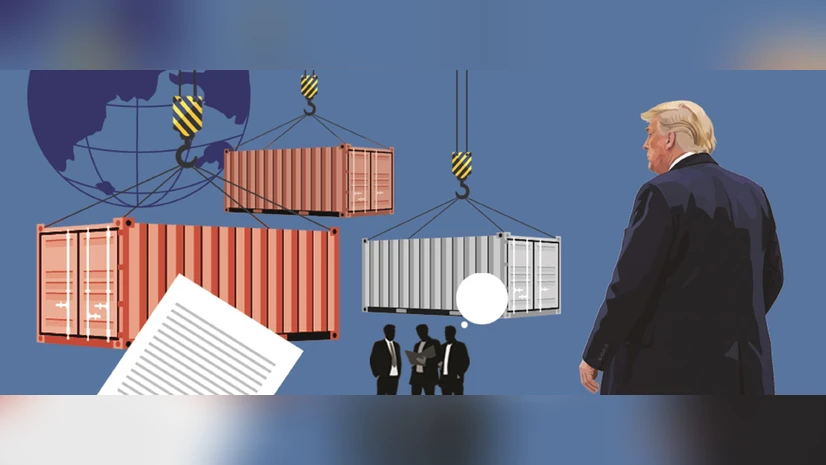
The value of global goods imports affected by new tariffs and other import measures increased more than fourfold from mid-October 2024 to mid-October 2025 compared to the prior 12-month period, marking the highest coverage in over 15 years of WTO trade monitoring, according to the WTO Director-General’s latest annual overview of developments in the international trading environment. At the same time, WTO members introduced trade-facilitating measures on both imports and exports, covering one-and-a-half times more trade than the previous period, and were pursuing dialogue more than retaliation.
Imports worldwide worth USD 2,640 billion, or 11.1% of total imports, were affected primarily by tariffs along with other trade measures introduced between mid-October 2024 and mid-October 2025 - more than four times the USD 611 billion coverage recorded in the preceding period. Including similar measures on exports, the total trade affected was worth about USD 2,966 billion (more than three times the USD 888 billion recorded in the previous report).
Over the same period, WTO members and observers also introduced a large number of new trade-facilitating measures on goods - 331 in total - covering trade estimated at USD 2,090 billion (approximately 1.5 times higher than the USD 1,441 billion recorded in the last report).
WTO economists estimate world merchandise trade growth at 2.4% in 2025 and at 0.5% in 2026, with stronger-than-expected trade growth in the first half of 2025 driven by import frontloading, strong demand for AI-related products, and continuing trade growth among most WTO members, particularly developing economies.
During the review period, WTO members initiated 32.3 trade remedy investigations per month - just below the 2024 peak of 37.3 per month. While trade remedy investigations do not necessarily lead to the imposition of measures, a higher number of initiations of investigations often signals a potential increase in measures imposed. The average number of trade remedy terminations was 11.4 per month - amongst the lowest level since 2012, suggesting that many trade remedy actions remain in place. Trade remedy actions - particularly anti-dumping measures - remain a key trade policy tool for many WTO members, accounting for 46.5% of all trade measures on goods recorded in this report.
On services, WTO members introduced 124 new measures between mid-October 2024 and mid-October 2025, a level broadly consistent with recent years. Most were aimed at facilitating trade or improving regulatory frameworks. Over half of these measures were applied across most sectors. Of these, one half impacted services supply through commercial presence (also known as “mode 3”) and around a quarter through the movement of professionals (known as “mode 4”). Additionally, a fifth of the new measures targeted the Internet and other network-enabled services.
During the review period, WTO members introduced an increased number of general economic support measures, many of which were linked to key sectors such as the environment, energy and agriculture. The report notes a possible shift toward non-financial interventions and the pursuit of broader strategic policy objectives.
WTO members continued to raise trade concerns in WTO committees and bodies throughout the review period, most of which related to measures or policies implemented by their peers. WTO committees remained important platforms for addressing trade-related issues, enabling members to engage on actual or potential areas of friction, the report finds.
Please visit our youtube channel https://www.youtube.com/@ikargos2719 for fortnightly logistics news analysis and more!